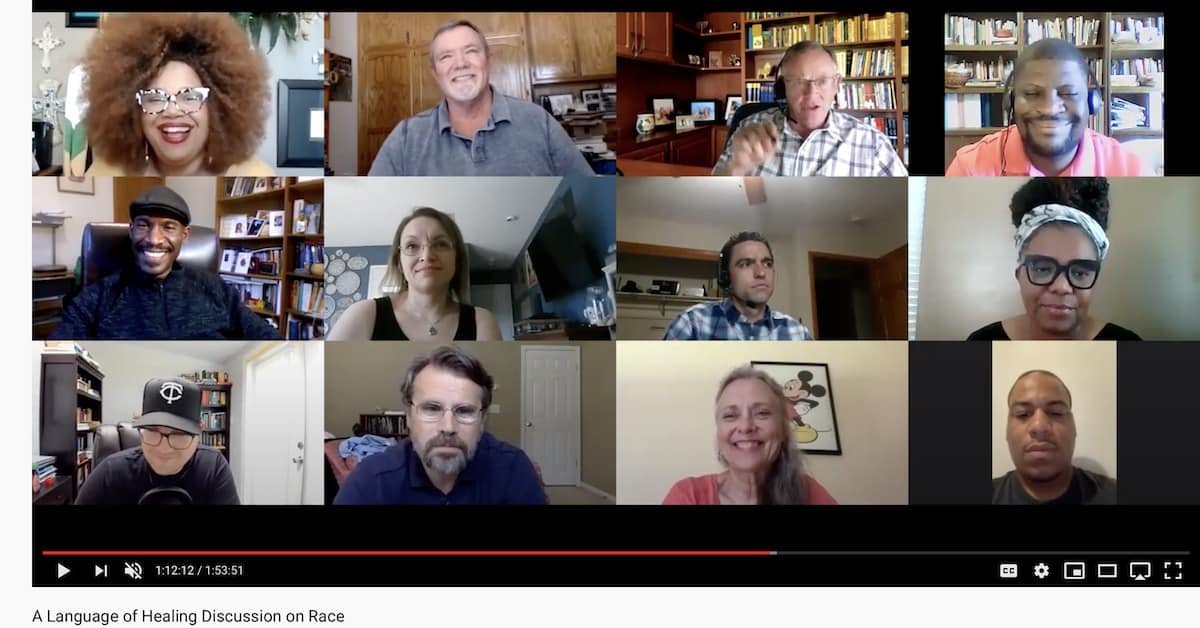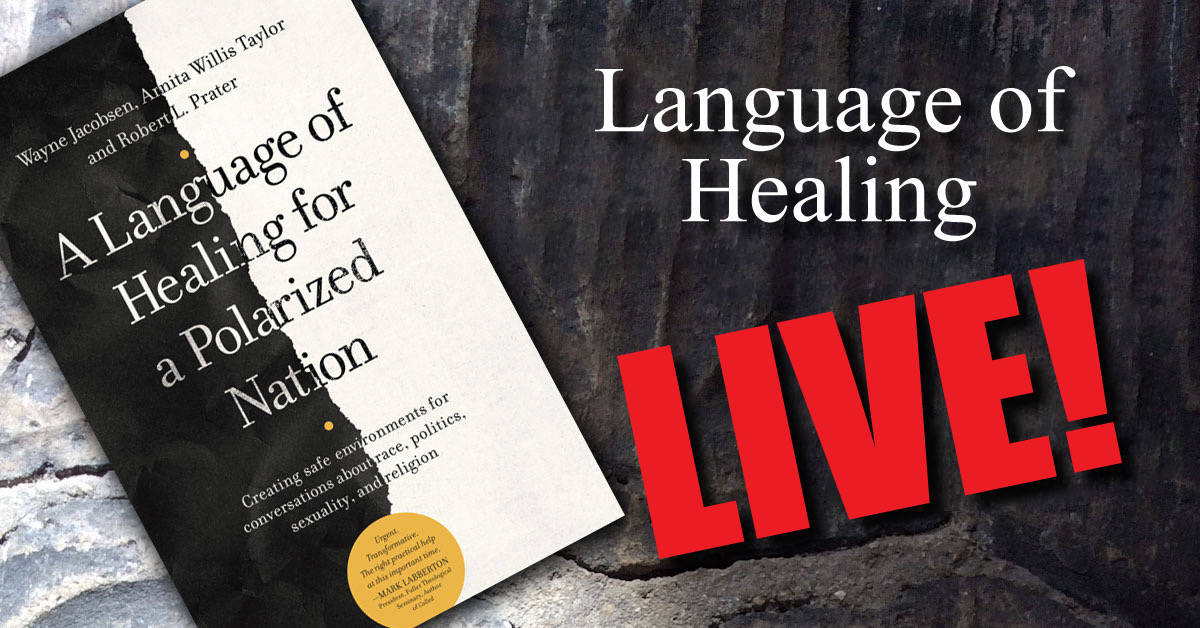
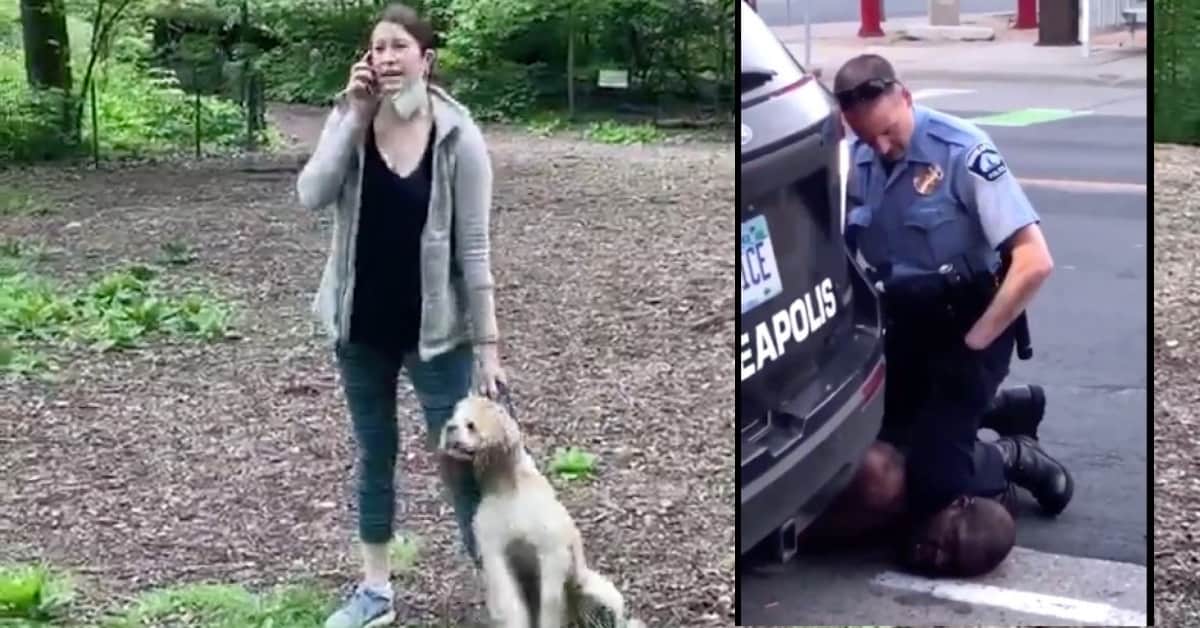
Yesterday, my coauthors of A Language of Healing for a Polarized Nation hosted a Zoom conversation to discuss the public reaction to the Ahmaud Arbery killing in Georgia and the racial divide it exposes. Gil Michel, a friend, CPA and an inner-city pastor in Indiana moderated our discussion with a diverse panel who braved the conversation with us. Set to go for an hour, the conversation went for two and could have gone on longer. There are some incredible moments here of pain and pleas to have the conversations that can make a difference.
You can view that conversation here if you like or watch it below. I am grateful to be in conversations like this where people can speak honestly about race and the inequities that exist in our culture, with a hope for healing the divide. To do that, however, we first have to hear each other at a heart level and understand someone’s pain, especially if it isn’t our pain. Remember, love doesn’t demand that we agree; it only demands that we understand.
It is my hope that people of faith can take the lead in a conversation like this and especially include those who can’t understand the fears and frustrations of those whose skin color makes them feel less a part of their country and less safe going about their daily lives. If you want to continue the conversation with me, you may do so in the comments below or if you want to include the other two authors, you can do so on the Language of Healing Discussion Group on Facebook.
In just a few hours, at 2:00 PDT today, I will be joining my coauthors of A Language of Healing for a Polarized Nation to discuss the public reaction to the Ahmaud Arbery killing in Georgia and the racial divide it exposes. People are quick to choose sides and vilify anyone whose opinion doesn’t match their own. A Facebook post I did on it this weekend caused people to accuse me of race-baiting, being a progressive, and stupid enough to believe the mainstream media.
I was expressing my concern that a young, black man was gunned down in the street, seemingly for looking into an unoccupied home undergoing extensive remodeling. Accusations are flying everywhere, either that the young man deserved it or that the armed men were acting recklessly. It has once again fanned the flames of the racial divide in this country.
This afternoon, we’re going to discuss the racial divide in this country that is exposed in tragedies like this. What can lower the rhetoric and actually come to some answers that will heal our wounds and treat each other with more respect? Gil Michel, a CPA and an inner-city pastor in Indiana will moderate our conversation. We’ll also have a panel who will add their questions and insights as well.
You can watch it live, or recorded afterwards, at The Language of Healing Discussion Group on FaceBook. I’m also going to share it if I can on the Wayne Jacobsen Author Page. Come join us if you can, and add your insights to the comment section on Facebook, or here on this blog.
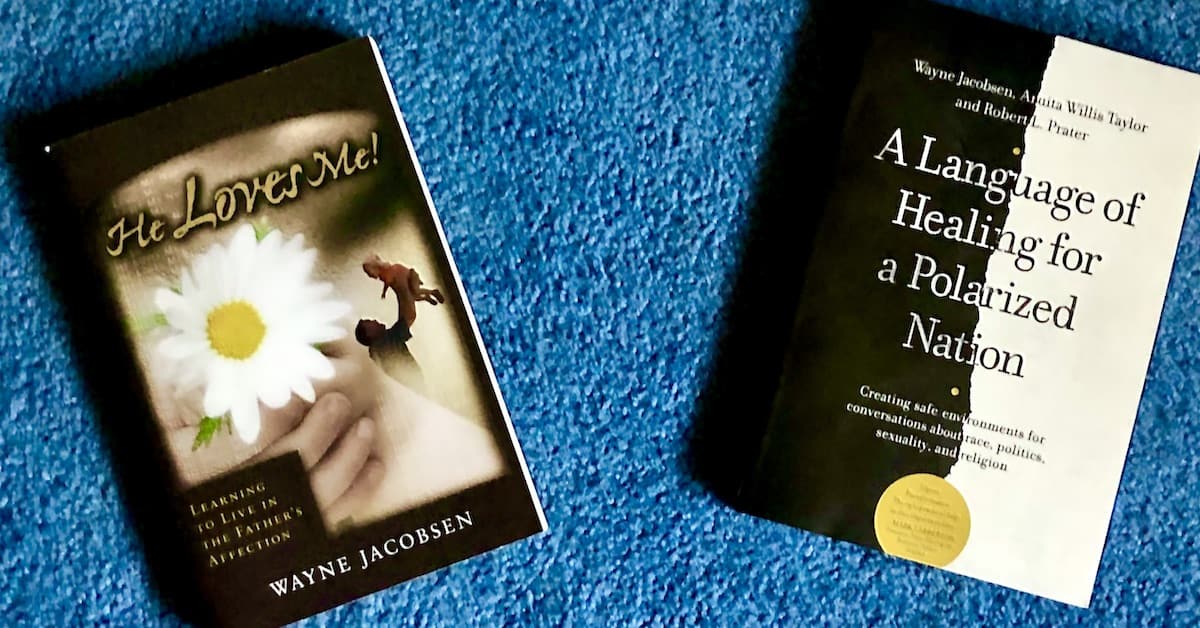
I’ve got friends on both sides of the polarizing divide in our country, some who think religious conservatives are some of the worst people on the planet and some who think it is impossible for Democrats to believe in God. I’ve been questioned by people on both of those sides as to how I could write such a “great” book as He Loves Me and then follow it up with something as carnal as A Language of Healing for a Polarized Nation.
Many seem to think God only loves the “home team” they are on and holds in contempt those on the “away team,” as they see it. The truth is, God’s love extends to us all. There is not one taste of Father’s love for me that has also not been extended to every other human on the planet. I believe a Father’s love is not the reward we receive for holding the right beliefs or following the right political agenda. Father’s love is the starting line of a glorious adventure of transformation that will allow us not only to live more freely in God’s reality, but also to love other people who need to find the starting line themselves.
The secret is, those two are not separate books about different things, but two books about the same thing. It is love we receive and then love we freely give away in the world. I loved how one lady discovered that and wrote me last week to tell me about it:
I wanted to tell you how much I appreciated the God Journey podcast last Tuesday with Vince Coakley (The Dangers of Dogma). I’m from the South and I found the conversation between the two of you so engaging for me personally, and so fitting for our nation as a whole at such a time as this!
As I was thinking back on your conversation and reflecting on the notes I took, I was struck by your statement about people who “ran up to the end of their answers and were willing to go beyond them”. I immediately thought, “That’s me. He’s talking about me!” I love having these words to help me articulate what I have experienced. And then you said something about finding the answers “beyond the ones I used to think were all I needed”. Again, I thought, “Yes, that’s what happened to me. That’s how I experienced that part of my journey towards authenticity.”
Then, I had one of those rare but profound moments when two concepts; or in this case, lessons learned from two seemingly different realms of experience suddenly converge as if they were intricately woven together all along.
I realized that what caused me to run up to the end of my answers was my desire to see my belief system through the eyes of my out-group as I wrote about in my first email to you several weeks ago. I knew that the answers that I had always leaned on were not going to stand up to the cynical doubts that drove the questions of three people in my life who all perceive Christians as hypocritical colonizers.
The more I thought about it, I saw that for me, and I’m guessing many others, there is a connection between the message of He Loves Me and the challenge presented in A Language of Healing for a Polarized Nation:
When my heart began to truly be free to live in God’s affection, I began to be more aware of a deeper love, a wider grace, and a more sincere desire to forgive. All of the sudden, I found myself loving those who represent my out-group in much the same way God loves me.
I mentioned in my first email to you that I read He Loves Me six years ago for the first time. I have been rereading it recently these last few weeks. Your words from p. 183 in Ch. 21 resonate with me so clearly now; much more so now than they did six years ago at the very beginning of my journey:
“Once we experience love as God defines it we will not be able to keep from sharing it with others as it has been shared with us. Where God is generous with you, you can be generous with others. Where God affirms your worth in him, you won’t seek a substitute from others. Where you know God overlooks your flaws, you’ll overlook them in others.”
And…
“Instead of despising people who are broken by sin you will be touched by the depth of bondage that holds them captive. You will also see better how the Father responds to them and then you will know how you can as well.”
So it became clear to me in the past couple of days that not only am I free now that I have stepped outside of the boundary of religious obligation, but I am truly free to love others in ways that I was powerless to do before. While I had recognized that my friendships with these three people inspired me to take a hard look at my values and beliefs from their perspectives, I now see that my new ability to begin living loved two and half years ago primed me for engaging with each of these individuals in the first place in ways I was previously not prepared to do. I was not conscious of it when each relationship took root, but I can see it now looking back.
That. Is. So. Cool.
Jesus said it best, “Love others as I have loved you… by this all men will know that you are my disciples.” Without that love, no attempt to defend what’s true will matter.
Remember, loving someone doesn’t mean you’re required to agree with them, only that you’re willing to understand them.
Try it, and you’ll soon discover how you can love someone who sees the world very differently than you. It may even drive them a bit nuts!
____________________
Special Programming Notes:
This Sunday, May 17, at 1:00 pm PDT we are doing another God Journey After-Show, for those who want to discuss the content of the last two podcasts about viewing the Bible as a Treasure Map to explore, not a Moral Code to Follow. If you’d like to be in on the discussion, please listen to the two most-recent podcasts and sign-up for the After-Show and let Wayne know what your interest is in this discussion. If you just want to stream it live or watch it later, view it here.
Then
This Tuesday at 2:00 we are having another Language of Healing Live, where the co-authors will be discussing the recent shooting of a black man in Georgia and how our culture can discuss difficult issues like that without polarizing into two mutually exclusive camps. This episode of Live! will be hosted by Gil Michel, of South Bend, IN. You can stream it live at The Language of Healing Discussion Group.
I’ve had a lot of people worried about us out here in California, the land of fruits and nuts, especially hearing the news that we are now under a “stay at home” order by our state. I recorded a podcast on the pandemic on Tuesday and when it aired today, it was already a bit out of date, but the observations we talk about there are still important. People want to know how Sara and I are doing. There’s nothing new we were asked to do last night that Sara and I haven’t already been doing, given that her allergies make her high risk. We only go out for trips of necessity and that sparingly. We have all we need at this point and are physically fine. We miss some of the regular activities that have been part of the rhythm of our lives, but this is the most crucial circumstances our world has faced since World War II. I know it doesn’t look like it yet to some people, but this is bigger than 9/11. How we respond in this moment as individuals and as a nation will define us for centuries to come.
Unfortunately, this is going to hurt for a while. People are getting sick, and some will die. Businesses will be lost and bankruptcies will multiply. Don’t think just because you’re a Christian or “have faith in God”, you will be exempt from the consequences of this. Jesus reminded us that it rains on the just and the unjust. Anyone telling you that we still need to gather in our “churches” because that’s the safest place to be is lying to you. There’s just no way around it. But these moments can overwhelm us or they can define us as resilient people that can rise above the challenges, mitigate the spread of this virus every way we can, and ride it out until the sun dawns again. This is one of those moments where we’re being called to “All Hands On Deck!”
I hope we have the national fortitude to respect what’s happening here and in these critical times not just think about ourselves, but be mindful that we’re part of a larger community. Each of us has a choice. Will I live by the creed of “everyone for themselves”, hoarding toilet paper, pulling out of my investments, stocking up on ammunition, or go attending “church” meetings to help spread the virus. Or, will I live out of generosity for people around me, either helping with finances if you have extra or connecting with those who might feel exceptionally lonely as they are no longer able to access their social gatherings.
In talking with a friend of mine yesterday, who also happens to pastor the local Presbyterian fellowship, he mentioned that they’ve changed the terminology a bit. We are being told by our public health people to not be with more than ten people, to stay in our homes and limit trips to necessary ones only, and to stay six feet away from others when we are out. But he said they are not calling that “social distancing,” but “physical distancing”, because that’s all we’re being asked to do. We don’t have to socially isolate. Through phone calls, FaceTime, Skype, and Zoom you can maintain all your social friendships and encourage others in the process. They are using the term, “Physical Distancing, with Social Interaction.” I’m using that, too, because it reminds me to stay outward in my focus even as I remain separated physically.
I love that. I wish our government would have used it because I know people already hunkering down in the loneliness of their own homes and feeling pretty isolated. Let’s maintain social interaction, and perhaps all the more in these days. Think of five people you can connect with each day just to check in on them. You can’t watch that many Netflix shows anyway. And if you’re lonely, call someone or arrange a video chat. This is the time to be alone physically, but not socially. Let others brighten your day.
He also shared with me the words of Martin Luther that expressed his approach to dealing with the Black Death that was ravaging Europe. Timely advice even today.
“I shall ask God mercifully to protect us. Then I shall fumigate, help purify the air, administer medicine and take it. I shall avoid places and persons where my presence is not needed in order not to become contaminated and thus perchance inflict and pollute others and so cause their death as a result of my negligence. If God should wish to take me, he will surely find me, and I have done what he has expected of me, and so I am not responsible for either my own death or the death of others. If my neighbor needs me, however, I shall not avoid place or person but will go freely as stated above. See this is such a God-fearing faith because it is neither brash nor foolhardy and does not tempt God.”
Luther’s Works Volume 43, pg 132 the letter “Whether one may flee from a Deadly Plague” written to Rev. Dr. John Eric Hess
Words of wisdom from a few centuries ago. This is how Sara and I are living it and hope you are, too. This is not a time for fear, but for deeper trust in Father’s presence with us and his provision for us regardless of what circumstances dish out.
The book cover of IN SEASON superimposed over a grape vineyard.
Let me make a few other announcements while I’ve got you here… First, In Season, which is a farmer’s view of John 15 and what it means to grow in fruitfulness and fulfillment in his kingdom, is now available in audio. I do the reading myself, so when you get tired of watching a ton of video, let me read to you. You can also get four of my other books here.
Also, I did a last-minute appearance on The Vince Coakley Show in Charlotte, NC today and will post the link here when the podcast is up. We talked about the pandemic, Rodney Howard Brown’s assertion that people who stay away from his “church” during this time are “pansies”, and how we can live more generously in this season.
Finally, I’m thinking with my daughter about making this season of being homebound fruitful for my grandkids; we decided to put together a class about The Story of Scripture for her kids. Since we’ll be doing this via the web, we’re also checking to see if there will be other kids interested in joining. Of course, adults can tune in, too. We’re still working out details for this, but keep your eyes on this space and we’ll announce here when we get it set up.
Let’s take this time on, one day at a time, fearlessly with our eyes firmly fixed on Jesus. No matter what life dishes out, he is greater and we are completely safe in his love.
What a difference twenty-four hours can make. Last night as I watched at my grandson’s little league game, the coronavirus was still a distant concern. Then, the president spoke, and suddenly major league and college sports teams were postponing their schedules. Cruise lines were canceling their trips; Broadway and Disneyland are closing. Now, it seems, we are taking this seriously.
Of course, the idea is not to stop the spread, which now encircles the globe. Rather, officials want to slow its growth, so that we’ll have enough medical resources to help with those contracting the virus. Scientists have talked about the danger of a pandemic in this highly-mobile world, and it has finally come. Fortunately, this one does not yet appear to be as virulent as worst-case scenarios have imagined, but now we see that it is going to dramatically affect most of our lives.
I’m still not certain at this point what travel I’ll be able to take in the next few weeks or months. Some of us had been planning a gathering in Europe, which may have to be postponed. Time will tell, for sure. I’m all for being cautious and prudent, not only for myself but for people around me that my carelessness might put at additional risk. The best counsel I’ve heard to date came this morning in a conversation with a friend in Ireland. The UK is recommending that if you have a cough or a fever, self-isolate for at least seven days. It may turn out to be nothing, but that’s when you are the most contagious to others, whether you have the coronavirus or the cold or flu. Loving others enough to take that precaution seems minimal at best.
Who knows where all this might lead, other than God himself. John’s prophecies in the book of Revelation hint at plagues that will wipe out one-third of humans on the planet. This virus isn’t near that potent, but it does make me think, “What if?” Is this a birth pang of the Last Day? My heart leaps at the thought. Yes, it would mean a rough ride ahead, but isn’t this what our hearts have longed for—the consummation of this age and a kingdom to come fulfills all God has desired for his creation? Oh, that it is!
I know many people are afraid or at least find the uncertainty of it all disturbing. I am not among them. A long time ago, Jesus began to teach me how little control I had over my own life. I used to find my security in trying to control people and events around me; my inability to do so would cause great anxiety or fear. But ever-so-slowly, Jesus began to invite me into an ever-deepening security in his love and trust in his plans for the world that has allowed me to grow increasingly at rest in times of uncertainty. (Here’s a podcast Brad and I did back in 2009 if you want to taste a bit in the middle of that process.)
Faith is this: our whole life is in his hands—every breath—and he can enfold any circumstance into his purpose in the world. He promised each of us grace enough for each day and told us to look to the birds as encouragement because they live anxiety-free in the Father’s care. So, whether or not my planned trips come off right now or not, how much of a crisis this virus becomes is not in my control. My life is not wrapped up in the stock market curve or in my knowledge of the future. My joy is to wake up on this day, listen for his nudges, and follow his footprints. However he chooses to lead me, fear is not my friend. It will only wrap me into knots and make me respond in ways that will be destructive to me and others around me.
This is the adventure of walking with him, uncertain of what the next circumstance might bring. I’m actually learning to love this, not the tragedies in the world, but the freedom to lean into him through them. Yesterday, someone wrote this about a recent exchange I had with them during a podcast interview, “(He) has a willingness to be profoundly honest about his journey, and this wonderful lilies-and-the-sparrows trust about him which has helped me spiritually exhale more than once over the last month. For a person who’s been so successful in his career (he co-wrote The Shack, for instance), he’s also one of the most generous I’ve met when it comes to his time and his attention.” Man, that is not the Wayne of twenty years ago, but if that’s how my life encourages others right now, I’m overwhelmingly grateful.
You’ve got to know that this freedom has come through a lot of disappointment about what I wanted for my life. I’ve spent hours in fruitless prayers trying to get God to change my circumstances when he was more concerned about changing me in them. I’ve had close friends betray me and lie about me simply to get their own way. I’ve encountered circumstances that have challenged me to the core and drove me more deeply into trusting his care.
All the while, this has become one of my favorite portions of Scripture in times of extremity:
Jesus has the last word on everything and everyone, from angels to armies. He’s standing right alongside God, and what he says goes.
Since Jesus went through everything you’re going through and more, learn to think like him. Think of your sufferings as a weaning from that old sinful habit of always expecting to get your own way. Then you’ll be able to live out your days free to pursue what God wants instead of being tyrannized by what you want. (I Peter 3:22 – 4:2, in The Message)
No, Jesus hasn’t had the last word about everything in my life, or this world. Not yet. I’ve been cheated, shunned, blamed, excluded, and insulted unfairly by people who have taken out their brokenness on me. Right now, it seems that they have had the last word. (By the way, I’ve done my share of that to others, and though I’ve tried to own those moments I’m aware of by apologizing to people, I’m sure there’s more I haven’t yet seen.) In any case, he will get the last word on all of it, and I can only imagine all the healing that will bring into his world.
And I love knowing he has been through everything I’m going through and more. I love Peter’s counsel here. I can see any suffering as an opportunity to let go of more of my plans and to embrace his purpose in the world. Who wouldn’t want to wake up every day free to do what he wants rather than be tyrannized by our own desires? And truthfully, today is no more uncertain than any other day you’ve lived; you’re just more aware of it.
So, if you find yourself anxious in these times, this may be the best time to have him teach you how to deepen your rest in his love. Every plan we have that is a day out, a week out, or even a year out, may be turned on its head with the next twist of this crisis. This is not the time to grit our teeth and get through the next rush of anxiety, or to beg Jesus to take it away. This is the time to call out to Jesus. Ask him to help you see where fear has a hold to hook its tentacles in you. Live one day at a time and see where grace makes itself known to you. Spend less time trying to get him to change your circumstances and more time leaning into his love so that trust overwhelms fear.
If those who live loved can be fully at rest in seasons of uncertainty, then we can be a rock for others who have no such place to deal with their fear. That’s where God’s glory shines most brightly—when people respond differently than circumstances might dictate.
After all, our circumstances don’t get the last word, Jesus does.
My dad said he read the book, and he loved it, but he also added, “You’re going to have a tough time getting people to read this book.”
A few days later, I got this note from a friend in Washington, “(This is) one of the most important books I have seen in a long, long time—very close to the heart of God.”
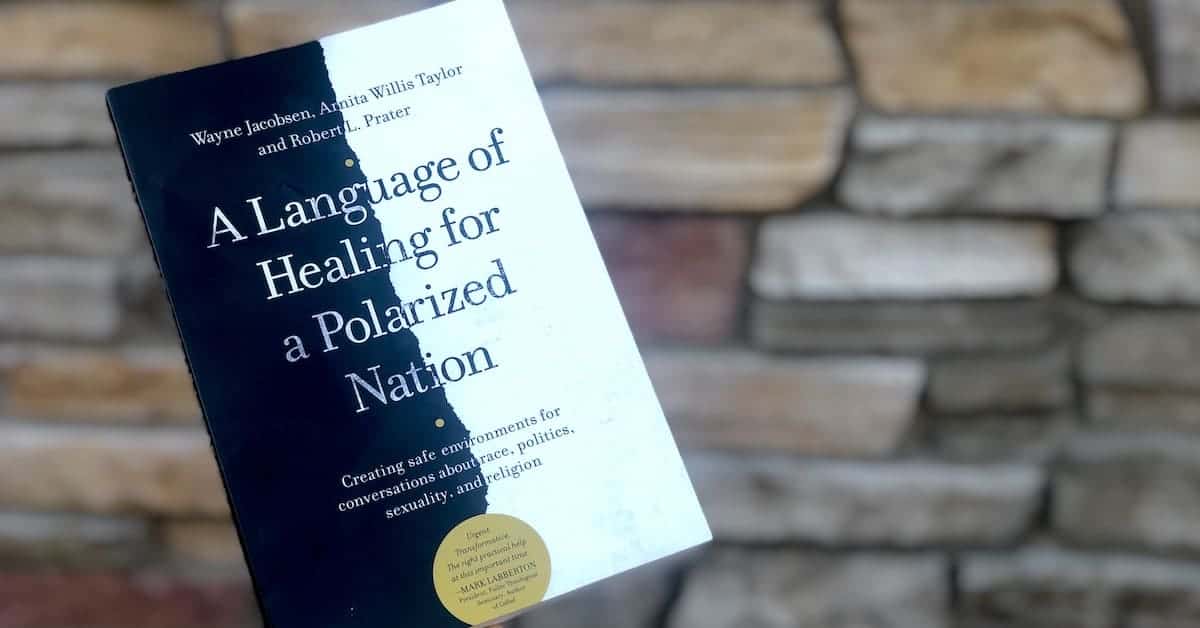
A Language of Healing for a Polarized Nation has been quite an adventure. It has opened the door to conversations I never expected to have with families who are dealing with gender or sexual identity issues, communities polarized over a racial divide, and those that have the ear of some pretty influential people. I don’t know yet where this little book will end up, but the conversations I’ve enjoyed over the past few months have made it all worth it.
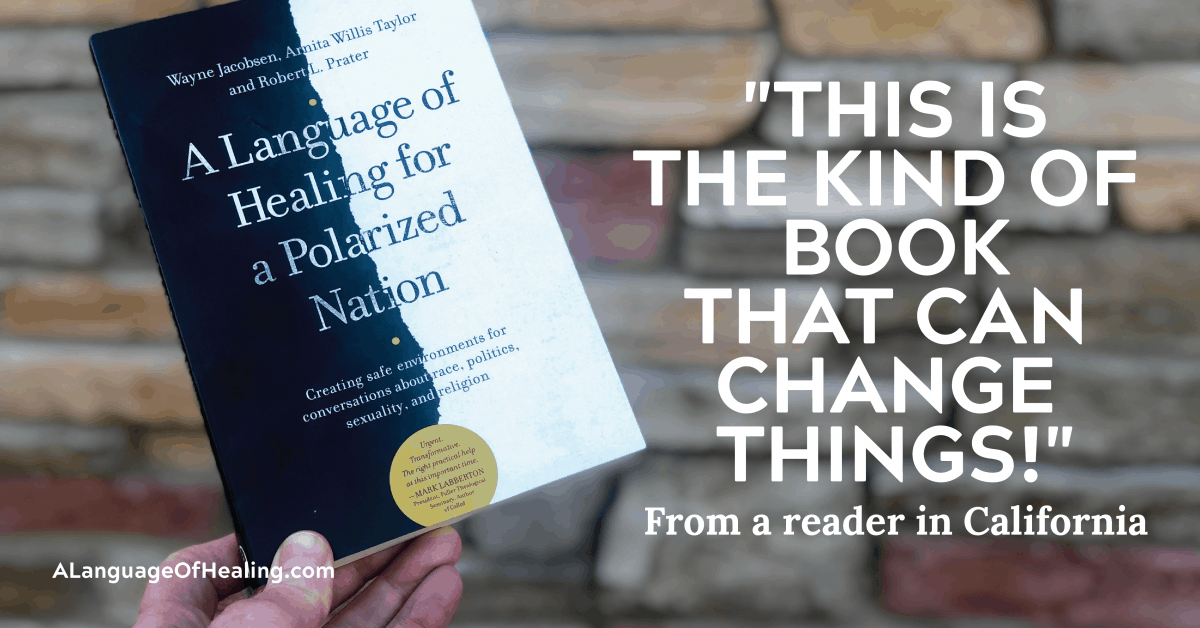
People’s responses to it have been amazing, as the quote in the picture above that coauthor Bob Prater heard from someone. Even those who have been suspicious of its message, thinking it is just the invitation to make nice, have become engaged with the conversation. “I’ve never even heard of this perspective before,” is something I hear often.
The language of healing is a robust conversation that can recognize our differences and still care about the perspectives of others. During my recent trip to Oklahoma, I got to share in a workshop with coauthor Arnita Taylor as we walked people through the ways to speak this language of healing that will allow us to live with conviction and generosity in the world.
I also met with two men who are influential in black churches throughout the US. They say one of their greatest needs is to help reconcile the polarity in their communities. These men were talking to me before they’d even read the book.
And, next year Tulsa, OK, will be dealing with the 100th anniversary of the Tulsa Race Massacre that occurred in 1921. It has been called “the single worst incident of racial violence in American history.” Some of the key players in helping the community deal with this horrific tragedy are reading the book now. It will be interesting to see where that goes.
The greatest joy, however, is hearing how it has changed the way people think and interact with people around them. I got this email earlier this week:
My husband and I finished listening to the audiobook this afternoon. We absolutely loved it. It took us quite a bit of time to get through the book because we would pause for conversation and provide our own examples. It was also meaningful to talk about our hopes and dreams as the material lends itself to living a transformed life in relationship with others. We find this very exciting. We felt as though we were right there, listening to conversations between the three of you. It was truly delightful!
When I was in Richmond a few weeks before, one of the families I visited asked a black pastor from a downtown church to join us. He told us how discouraged he had been that the white community would ever have any compassion for him. He said he couldn’t remember the last time a white man had invited him out to lunch, and here he was sitting with a group of us. He was really touched by the gesture and the things we shared from the book, even though he hadn’t read it yet. It restored his hope, he said.
Last week in Edmond, OK, I met a young man who had been apprehended by the police as he was walking to the store when he was eighteen years old. They thought he had just robbed another store in the area. When the police officer found out the young man he had in custody did not match the description, he angrily uncuffed him and shoved him in the gutter before driving off. Can you imagine what that might do to a young man?
We can do better. I hope this book at least gets people to reconsider how their biases and prejudices shape their unfair responses to people. Then we hope they will invite people into their lives that are different than them. It can’t hurt to reach across whatever aisle we have in our world to find out those on the other side are a lot more like you than they are different. They’ve just had some experiences that have led them to different conclusions than the one you have.
This book can change every engagement you have with other people in the world. Working on it, has for me. It was never meant to change Washington, DC or the news media. Remember, the world changes one conversation at a time.
Compassion and courage can change the world. Maybe not the whole world, but at least the world you live in.
As another impeachment trial begins today, the second in my lifetime, I’m really left wondering if character matters to anyone anymore for our political leaders.
The Democrats fought for a resounding “no” in the Bill Clinton sex scandals, and many of my Republican friends are pushing the same agenda now that their champion holds the White House.
Growing up, everyone I knew talked about the importance of moral character in voting for our representatives. Now, no one seems to care, or doubts that anyone rising to that level of politics will have any character left. One can hardly argue that Hillary Clinton had any better character than Trump. It seems a cynical electorate no longer seeks out a candidate who exudes integrity, honesty, or graciousness, and perhaps even sees those things as detriments to getting their agenda accomplished
At least, the character issue is back in the news again, after the Christianity Today editorial calling for President Trump’s removal from office or appealing for his resignation. “His Twitter feed alone — with its habitual string of mischaracterizations, lies, and slanders — is a near perfect example of a human being who is morally lost and confused.” Mark Galli’s editorial also expressed his concern that evangelical support for Trump is undermining the credibility of the Gospel among groups that President Trump regularly belittles or marginalizes.
The Christian Post immediately responded that Christians who support Trump support him for appointing pro-life judges, standing up for religious freedom for business owners, moving the embassy in Israel to Jerusalem, and fighting for border security. “It’s a different kind of character that is found in courageous leadership, fortitude, and dogged determination. There is a deeper morality in keeping your promises after you’ve been elected.”
It is disheartening to see people who claim to be following the same Lord and King so passionately divided along the Trump line, and so dismissive of anyone who disagrees with them. As one person told me, “I’ve got friends who regard President Trump as the nephew of Jesus Christ and others who think he’s the cousin of the Antichrist.” So do I.
Jesus prayed that his glory would fill each of us in such a way that we would become one with the others, and that’s how the world would know we are directed by the breath of a better Spirit. Is this division the fruit of our politics becoming our first loyalty, or even seeking a savior among those who play the political game?
That’s why so many change tactics when their self-interest does. Those who dismissed the importance of Clinton’s flawed character back in the day, now want to hold Trump to account. That’s how you know it isn’t truly about what’s right or wrong, but about whatever advantage I can gain to drive my agenda. If we’re going to champion character, we have to be less one-sided on political issues or personalities. I appreciate those who can support some of President Trump’s policies, while still struggling with his caustic demeanor that diminishes his office and harms our national interest.
While I like many policies of his administration, I’d be hard-pressed to commend President Trump as a man of character. I don’t understand how many of my evangelical friends can ignore the problems he creates by dividing Americans into polarized groups, obfuscating the truth, and demeaning anyone who disagrees with him.
By granting unparalleled access to evangelical leaders, he has convinced many that he can right the American ship and that he needs to protect Christians from the liberals who wish to persecute their faith. What those leaders don’t seem to understand is that their unquestioned support for President Trump makes them complicit in his lies, his mockery of others, and the self-serving nature of his “America First” that has hurt our standing in the world among our own allies. Their unquestioned allegiance is having an impact on how people perceive the mission of Christ in the world.
What his detractors don’t seem to understand is that while evangelicals may be embarrassed by Trump’s bullying tactics, they won’t criticize him because they feel like the media establishment has already done so unfairly. In their mind, Trump may be an immature bully, but he’s their bully. They have long grown tired of the establishment media and leftist politicians belittling them as unthinking, gun-toting “deplorables,” and they see Trump’s antics as evening the score. But that is a mixed message at best. Many have justified his tactics by convincing themselves it takes someone as underhanded and belligerent as Trump to disrupt the Washington establishment that has worked so hard to marginalize them.
In a discussion in Los Angeles recently with a group called CultureBrave about my new book, A Language of Healing for a Polarized Nation, I was asked why I thought evangelicals give President Trump their unwavering support even though he doesn’t demonstrate the behavior they claim to value?
Before I answered, I asked him what his conclusion was. His response was immediate: “Racism, pure and simple.”
I understand why he would say that. Being an African American himself, he knows that racism didn’t end with the Obama presidency. Incidents of police violence against black males increased during his term, as did threats against President Obama himself. When Trump said, “Make America Great Again,” he heard Trump dog-whistling those who want to undermine gains in civil rights for the past forty years and re-assert white dominance of the culture. Like him, I am gravely disappointed that this President doesn’t even pretend to represent all Americans and seems to use our racial divide for political gain.
That notwithstanding, I don’t believe most evangelicals have a racial agenda here. At least, I never hear that sentiment expressed among them. The image that disturbed them most was not a black man in the White House, but a rainbow of lights splashed across it when the Supreme Court affirmed the legality of gay marriage. Their concerns are not about race but sex. They are pained by abortion-on-demand at any stage of pregnancy, the amount of sexual exploitation in our culture, and special accommodations for the LGBTQ community they perceive as infringing on their religious liberty.
As long as President Trump supports these causes, most of the evangelical community will put character on the back burner just as feminists did for President Clinton. They know that any word of criticism of his divisive and immature behavior will only trigger his wrath and threaten their access.
If character has any value, it’s what protects us from doing what we want to do for ourselves at the expense of others. Personal expedience is easy to understand. Everyone tends to do whatever they think will serve them best at the time. By nature, it is self-serving and often leads to decisions we come to regret. Every law we have is to rein in people of questionable character who are willing to use whatever advantage to benefit themselves.
In our bottom-line culture of garnering political power or individual profit, character is a fool’s errand. You can make more money and gather more power by greed and duplicity than you can caring about what is right, just, generous, and fair to others. Good character is the moral compass that will call someone to forego personal expedience for a higher human good. What may be best for me may not be fair to you or best for us all.
Character allows us to consider other factors than merely our pleasure or profit and doesn’t seek to benefit at someone else’s expense. Character comes by living to the truth, even when it hurts and especially when it costs you more than you’d want to pay.
When does character matter most? I can think of two places.
First, character is critical whenever you give someone power. Raw power uncontrolled by a moral compass and sense of fairness will wreak havoc in the long term, even if it serves your interests in an immediate circumstance. The same way my evangelical friends have felt despised by leftist politicians and the media for decades are now unwittingly creating that same resentment in those Mr. Trump despises. It’s a no-win game. You may hold the cards now, but you eventually won’t, and there will be dividends to pay you’ve not yet considered.
Without character in our national leaders, they will always put party above country, and their gain above the common good. Lacking integrity, a President will continue to risk American blood and treasure in an unwinnable war as Johnson and Nixon did in Vietnam, and now we are learning that Bush and Obama did the same in Afghanistan. A lack of character allows so-called “public servants” to take financial rewards for friends and family instead of fighting for equal access for all.
Character doesn’t change just because the financial reward grows greater, or the need to win an election becomes more acute. I’ll admit it’s hard to find anyone on the national stage who has the character to be a statesman or stateswoman, but that doesn’t mean we give up looking or encouraging those in power to do better. Win-at-all-costs is a strategy that only foments further division and anger.
And it’s not just politics, don’t we want people of character acting as our CEOs, educators, military officers, religious leaders, and law enforcement? What kind of society do we become when people in high places do not have a moral compass than bends toward honesty, justice, compassion, fairness for all? We get CEOs that take excessive compensation at the cost of providing fair wages for their workers, district attorneys who charge a man they know to be innocent to get the crime off their books, religious leaders who hide the rape of children for fear public relation concerns, and military officers that cast a blind eye to harassment.
Character matters in every stratum of human society, and it matters most among those who hold power. Making society fair for you also includes making it fair for others who don’t think like you. Once we give in to the bottom line, be it in political power or maximizing profit, character gets lost, and society suffers.
Secondly, and this is for my evangelical friends, character matters most when we hope to demonstrate the nature of God to others who don’t know him. It would be fine for us to support those policies we think will make for a better nation, but to let the arrogance, mockery, and dishonesty go unchallenged is to forsake a higher calling. You most need character when it calls you to do what’s right, even when it costs you what your self-interest desires.
When you think President Trump either needs to be roundly condemned or blindly defended, you have already purchased a seat on the train of illusion that wraps religion in a flag and uses it to divide this country further and as we’ve seen in the last few weeks. Peggy Wehmeyer, a journalist based in Dallas, expressed her frustration at fellow evangelicals, “What has really troubled me from the beginning is why can’t people say on the one hand, ‘We love what he’s done on religious liberty, abortion and the economy,’ but on the other hand, say that ‘As Christians whose allegiance is to Jesus Christ, his behavior is despicable’?”
When Jesus’ followers are marked by a political agenda, be it on the right or left, especially one that prides itself in mockery, deception, and putting down others, people will be confused about the Gospel as well. If God’s followers don’t demonstrate his glory by how they treat everyone around them, regardless of political leanings, the light of Jesus dims.
Jesus said as much at the end of his time on earth. As he prayed before going to the cross in John 17, he talked about putting God’s glory on display by the way he lived. He demonstrated how compelling his Father was by the quality of his own person—his passion for justice and truth, and his tenderness and love for all.
And when Jesus prayed for the disciples, he said he had ‘spelled out’ God’s character to them in detail so that his life would be on display in them now. This is the evidence the godless world needs to make sense of God’s reality. (I’ll be talking more about this in days to come because displaying God’s glory is the mission he left on earth for his followers.)
Our loyalty is not primarily to change the world through the wielding of political power as satisfying as that might be to our flesh. Our allegiance is to the God who redeems us, and our passion should be for his glory to dwell in us so that we would live with the same tenderness and compassion that marked Jesus’ life. If we become associated with anything else, the message of the Gospel gets twisted in the frailties of human flesh. Even when we fall short, we can still uphold the ideals to which we aspire.
This is how the world will come to know him, not because his name appears on our t-shirts, but because his splendor is on display in our character.
I’m delighted so many of you are reading A Language of Healing for a Polarized Nation and are putting those things you’ve learned into practice. I love hearing that people are exploring new relationships with those who are different, discovering that understanding and respect is a freer way to live than in fear and animosity. I know working on this book has changed every relationship I have in the world because I see people differently and engage people with more compassion and generosity.
But I do get the occasional email or comment from someone who immediately takes our premise to the extremes. Will this work with abusive people, or evil ones? In the book, we make clear that about 22% of people have to be right about everything and treat those who don’t agree with them with anger and hostility. No, you won’t be able to find common ground with them. But that leaves 78% of the people you know who are able to have a respectful conversation even if you do have significant differences. If they are hurt, they can talk it out and find or extend forgiveness for other people’s weaknesses, including yours.
So, what about abusive people, who always accuse or berate us? You don’t have to get along with people like that, or be their victims. If you can, avoid them; if you can’t, give them a wide berth. Life is too short to waste significant time with toxic people. If they are family you can’t always avoid, you can still be kind and respectful, but put your focus on the other 78% who don’t exhibit such arrogance.
And what about people we consider evil? The other day someone sent me this comment: “How did Jesus deal with the Pharisees and Sadducees. Was it what you’ve written. Did He ‘engage them with generosity and kindness?’ Not from anything I’ve read in Scripture.”
I’m surprised by the comment and saddened for people who define life in such extreme terms. I get it. I grew up in a religious world where there was a home team God loves and an away team he hates. That gave us the freedom to despise them, too. But I’m afraid the person who made the comment here, hasn’t read enough Scripture. In John 6:35, Jesus said, “But love your enemies, do good to them, and lend to them without expecting to get anything back. Then your reward will be great, and you will be children of the Most High, because he is kind to the ungrateful and wicked.” (Emphasis mine.)
We read our Bibles wrong if we see Jesus being abusive to the Pharisees. Jesus was generous and compassionate to them. He told them the truth, even when they didn’t want to hear it, but love does that. Even in the end, when he calls them hypocrites, he is still hoping they will see what’s real and run under the safety of his wings, like the chicks under the hen. But they would not have it. Yes, you can love even Pharisees,’ he did.
A Language of Healing... is about building bridges of kindness to others, not to be afraid of our differences, and to discover that the vast majority of people simply want the same things for themselves that you want. You can share disagreements respectfully, work through problems with graciousness all while demonstrating compassion. We encourage people to start out where it’s easy, not with the most extreme relationships in their lives.
If you haven’t read the book yet, give it a try. If you have, and want to interact about it, feel free to write me or comment here.
I love what Stephanie wrote about the book….
If ever a book was needed to help us understand the common ground of our humanity, it is now. Today, when so many long to practice peace but are at a loss to go about it, A Language of Healing provides hope, guidance, and inspiration. Communicating effectively requires finding—and then walking in—the shared space between us. In a world of runaway social media and chaotic twitter feed we need to find a way back to each other… back to our humanness. A Language of Healing resounds with a strong, collective voice that arises out of the diverse backgrounds and perspectives of the authors. As they model dialogue and work together to fashion a solution, motivation toward peace and reconciliation are sure to emerge in readers who are open to the transforming power of God through Christ. This is a gift from God!
Stephanie Bennett, PhD, Professor of Communication and Media Ecology, Palm Beach Atlantic University and author of the Within the Wallstrilogy
Let me make a few comments about the tragic shootings last week in Gilroy, CA, and the two weekend shootings in El Paso, TX and Dayton, OH. Our community suffered a mass shooting only nine months ago where eleven young people and a sheriff’s deputy were killed in a country-western club, hosting a college night. I’ve been asked to assist our community with planning some gatherings around the first anniversary to help our community heal. Being behind the scenes has taught me a lot about mass shootings and what goes on in a community that deals with this kind of horror.
It’s hard enough having a child die by disease or accident, but there the anger and helplessness that comes from a senseless murder is a deeper wound. To think someone is so depraved that murdering innocent people will somehow satisfy their twisted soul is impossible to comprehend. It’s maddening to think that a choice to go back-to-school shopping at a Wal-Mart, or dance at a club, should end someone’s life. Grief, anger, and frustration can mix in a toxic brew. The people who lost loved ones need our prayers and, if you know them, our support as they try to make sense of something that is entirely senseless. To be the victim of another person’s abject selfishness is so brutal.
The first victims from a shooting like these are only the tip of the iceberg. Grief experts know that in the next few years more people will die of suicide because of these shootings than died in the shootings themselves. And that isn’t just among the families and friends of the victims, but first responders, medical people, and others who were swept up in the tragedy itself and its aftermath. Stay close to anyone who has suffered grief, not just for a next week or two, but for two to three years. Make sure they have an outlet to deal with their pain and the senselessness of it all.
Do NOT push a community on to resilience. I saw on an NBC news report last night a headline about El Paso Resilience. Don’t use the term so quickly after a tragedy. It is offensive to the people who matter. Outsiders love to talk about the resilience of a community to respond to such tragedies, but those who’ve suffered loss from these evil shootings see it as minimizing their pain so you can get back to your life. The news vans are going to pick up and leave as the funerals end, and media people want to believe the community is healing as they head off to the next one. Grief is a two to three year process at best.
Some have tried to put the term ‘resilience’ on our community after only nine months and the response from the victims’ families have been clear. They mostly worry that their children, friends, and parents have died in vain and that people will soon forget them. “Resilience” is only a term for those only tangentially touched by the tragedy, it doesn’t ease the pain of those who touched it personally. It is often an excuse for people to ease their conscience as they get back to their lives and leave the survivors even more isolated in their grief.
My heart goes out to those communities today who have been touched by violence, and not just the three most recent, but those still healing from their own mass murders. Now is the time for our national leaders to move beyond the partisan rhetoric that seeks to use these tragedies for whatever political agendas they have and find bipartisan solutions that can stem the tide of mass shootings by misguided young people.
If you are concerned that someone you know is angry and detached enough to act out in violence speak up! If you are one of those that fantasizes about inflicting violence on innocents as a way to get revenge for how unfair life has been to you, go seek out an older adult who can help you find what you need not to waste your life with such wanton destruction. It’s no way to end your life or theirs.
I get so many emails from people trying to find a group of like-minded people or frustrated with the current political climate in which our country finds itself. These are troubled times indeed, but we are part of a kingdom that transcends everything in this age. Our God is working behind it all for his glory and to bring history to a glorious conclusion as the kingdoms of this world become the kingdoms of our Christ and of his Father.
It’s easy to forget sometimes that he is with us, too, working out his purpose in each of our lives. So quickly we get our eyes on people or our circumstances and forget that we are not alone in any of it. No, we don’t always get our way, but there is always a path to take that yields to the glory of his kingdom and how it takes shape in us.
Unless you’re among the tiny group of people who exercise actual, substantial political authority, each of us can only have a large influence on a small number of people and a small influence on a large number of people. In other words, we have the potential to transform a life. We have minimal capacity to individually change American politics.
Man, I can raise my hand here. It may feel good to berate the idiocy of our national leaders, but to what end? How much time and emotional energy do we give to circumstances over which we have no control or influence? Social media provides yet another illusion that our voice on the big-ticket items of politics or religion can really make a difference, and then are frustrated when it doesn’t. What I love about the quote above is that it asks us to be present in the places where we can make a difference, which is in the lives of people right in front of us every day.
Who do you know that brightens your heart when you spend time with them? Who do you know in need whose day you can brighten? What conversations can you have today that will move the needle in someone’s life? Who could you reach out and encourage today instead of reading the end of this blog?
That’s where our attention needs to be. I’m afraid the enemy has us wasting so much time venting on things that have no impact, instead of engaging the things right in front of us that do.
Somehow we’re always looking for the big moment “out there” somewhere instead of living with what Father has put right in front of us. Many keep trying to find the right group of people to fellowship with, or the best model for church life, instead of celebrating his presence in whomever we are with today. Jesus seemed to live every day with what was in front of him, and some of his most impactful moments rose out of spontaneous engagements that he didn’t pass by.
I’m finding my heart these days much more drawn to what I can impact and wasting far less time with words that merely flitter into the ether of cyberspace and are lost the moment after I push “post.” And I’m having a far richer time.
Jesus said the kingdom of God wasn’t “out there” somewhere; it’s already inside you. What you need from God today, he has already brought right to your doorstep. All you have to do today is respond to what God has already put inside you, and to what’s in front of you. That’s where you’ll find life abundant and fruitful.
You might well miss it if your eyes are set “out there” over the horizon, instead of “right here” where you are today.